Why Flat Roof Leaks Force Restaurant Closures Faster Than Other Buildings
March 5, 2026
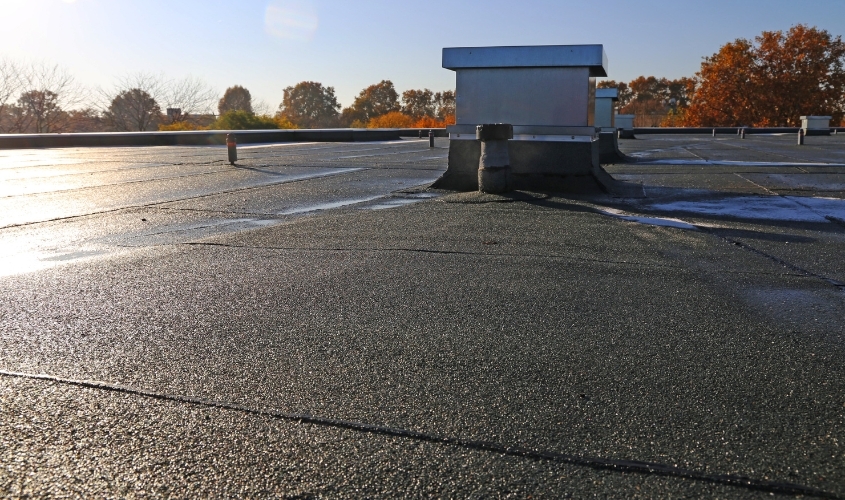
Restaurant buildings operate under conditions that leave little room for disruption. Unlike offices or warehouses, even a small flat roof leak can shut down operations immediately, making reliable commercial roofing services essential for food service properties. We see this pattern repeatedly across Western Canada. When water enters a restaurant space, the consequences escalate fast, often leading to temporary or extended closures.
Flat roofing systems behave the same across building types, but restaurants respond very differently when failures occur.
This article explains why restaurant properties are uniquely vulnerable, how roof leaks trigger rapid closures, and what you should understand if you own or manage a food service building and rely on professional commercial roofing services to protect operations.
Why Restaurants Have Almost Zero Tolerance for Water Intrusion
Restaurants operate in environments where cleanliness, safety, and consistency are non-negotiable. Water intrusion compromises all three at once.
A flat roof leak does not need to be severe to cause disruption. Even minor dripping above food preparation areas creates immediate health and safety concerns. Floors become slip hazards. Electrical systems may be exposed. Fire suppression components are often located near ceiling spaces where leaks first appear.
Unlike other commercial buildings, restaurants cannot isolate a problem area easily. Dining rooms, kitchens, storage areas, and service corridors are closely connected. When water appears, management often has no choice but to stop service.
This lack of tolerance is not an overreaction. It reflects how regulatory oversight, public exposure, and operational risk intersect in food service environments.
How Flat Roof Leaks Trigger Health and Safety Violations
Health inspections are a constant reality for restaurants. Any sign of water intrusion raises immediate red flags.
Moisture near food preparation areas can lead to contamination concerns. Standing water or ceiling leaks create unsanitary conditions that inspectors cannot ignore. In many cases, restaurants are required to close until the issue is resolved and documented.
Flat roof leaks also introduce long-term moisture risks. Even when water is not actively dripping, trapped moisture above ceilings can lead to mould development. This is especially concerning in kitchens, storage rooms, and wash areas.
Restaurants are often required to document corrective action quickly. Without clear records showing roof repairs or professional inspections, reopening may be delayed.
Why Grease Exhaust Systems Accelerate Flat Roof Failures
Restaurant roofs face stresses that most commercial roofs never experience. One of the most overlooked contributors is the grease exhaust system.
Exhaust fans penetrate flat roofing membranes. Over time, heat, grease residue, and vibration degrade flashing and surrounding materials. If these penetrations are not detailed and maintained correctly, water finds a path inside.
Grease buildup can also interfere with drainage patterns. Combined with heat exposure, roofing membranes around exhaust systems age faster than other roof areas.
We frequently see restaurant roof leaks originate around exhaust penetrations. These failures often appear suddenly, even when the rest of the roof seems intact.
Why Insurance Claims Move Faster and Fail Faster for Restaurants
Insurance carriers treat restaurant claims with heightened scrutiny. The reason is simple. Restaurants present higher risk profiles and higher loss potential.
When water damage occurs in a food service environment, insurers assess not only structural damage but also contamination risk, equipment loss, and business interruption. Claims move quickly, but so do denial decisions when documentation is lacking.
Maintenance records play a critical role. Insurers often request proof that the roof was inspected and maintained. Deferred maintenance or repeated temporary repairs can weaken claim approval.
Restaurants also experience revenue loss faster than other buildings. Dining rooms close immediately. Staff hours are cut. Inventory may be lost. Insurers evaluate these factors closely when determining coverage.
How Roof Leaks Disrupt Restaurant Operations Immediately
Restaurants cannot operate around roofing problems. Service stops as soon as safety or compliance is compromised.
Dining areas may be closed even if the leak originates elsewhere. Kitchens may be shut down if water enters prep zones. Staff schedules are disrupted, and customer trust is damaged.
Peak service hours amplify losses. A leak during a weekend or evening rush can eliminate an entire day of revenue. In some cases, closures extend into multiple days while inspections and repairs are completed.
These disruptions are not limited to independent restaurants. Franchise locations and multi-tenant food courts face additional coordination challenges, often extending downtime further.
Why Preventive Roof Maintenance Matters More for Restaurants
Reactive roofing strategies do not work in restaurant environments. Waiting until water appears almost always leads to closures.
Preventative flat roof inspections identify early warning signs before leaks occur. Drainage issues, membrane wear, and penetration failures can be addressed proactively. This reduces emergency repairs and limits business interruption.
Scheduled maintenance also supports insurance requirements. Clear inspection records demonstrate due diligence and reduce claim disputes.
For restaurants, the cost of prevention is far lower than the cost of closure. Lost revenue, wasted inventory, staff disruption, and reputational damage quickly exceed the price of routine roof care.
What Restaurant Owners Should Expect From Commercial Roofing Contractors in Western Canada
Not all contractors understand restaurant operations. Choosing the right partner matters.
You should expect experience with food service buildings. Contractors must understand exhaust systems, operational hours, and regulatory pressures. Work often needs to be scheduled outside service hours to avoid disruption.
Clear documentation is essential. Inspection reports, repair records, and maintenance plans support both compliance and insurance needs.
Communication also matters. When roofing work is required, restaurant owners need clear timelines and risk explanations. Uncertainty creates operational stress.
Working with experienced commercial roofing contractors in Western Canada means working with teams that understand how quickly restaurant issues escalate.
Common Mistakes That Lead to Repeat Restaurant Roof Closures
Certain patterns appear again and again when restaurants experience repeated closures due to flat roof issues. These problems are often preventable.
- Relying on temporary patch repairs
Short-term fixes may stop leaks briefly but often fail under real weather conditions. - Ignoring exhaust penetrations
Grease exhaust systems require specialized detailing and regular inspection to prevent membrane failure. - Incomplete maintenance records
Missing documentation makes insurance claims and health inspections harder to resolve. - Delaying response to early warning signs
Small issues often escalate into emergency closures when not addressed promptly.
How We Help Restaurants Avoid Costly Closures
J & D Independent Roofing works closely with restaurant owners, landlords, and property managers to reduce closure risk before problems escalate. Our experience with flat and low-slope roofing systems allows us to identify vulnerabilities unique to food service buildings.
We focus on proactive inspections, clear documentation, and planned maintenance strategies that align with restaurant operations. Our team understands how to coordinate roofing work around service hours and regulatory requirements.
By addressing issues early and documenting work properly, we help restaurants protect revenue, support insurance compliance, and maintain operational continuity across Western Canada.
If you manage or own a restaurant property, planning ahead is the most effective way to avoid costly interruptions. Flat roof leaks move fast in food service environments, but they are often preventable with the right approach and the right roofing partner. Contact us now to avoid these costly closures.