7 Factors That Influence Commercial Roof Drainage Performance
March 12, 2026
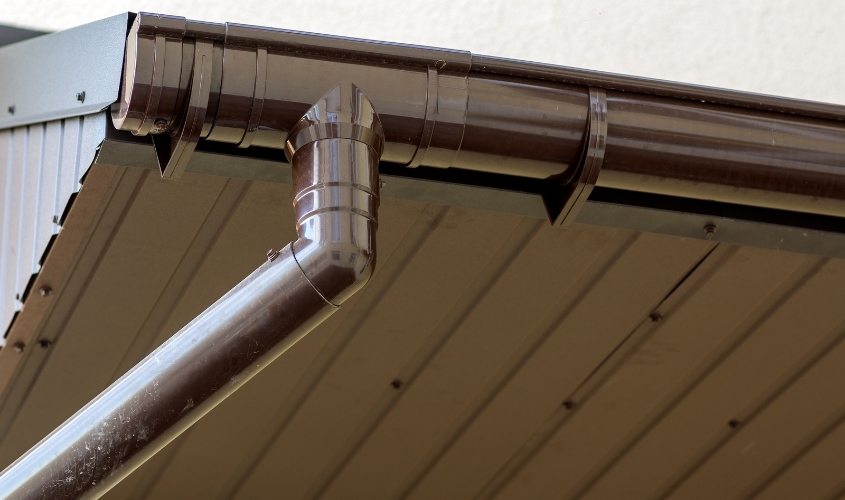
Water management is one of the most overlooked elements of commercial roofing performance. Many roofing problems begin slowly and silently when water does not leave the roof as intended.
Drainage performance affects roof lifespan, repair frequency, and long-term building reliability. Commercial roofing in Edmonton faces seasonal rainfall, snowmelt, and freeze cycles that place constant demand on drainage systems.
Understanding what influences drainage performance helps property owners make better roofing decisions and plan maintenance with confidence. This is especially important where professional commercial roofing services in Edmonton play a key role in long-term building protection.
Why Commercial Roof Drainage Performance Matters
A commercial roof is designed to manage water, not store it. Drainage systems guide water away from the roof surface toward drains, scuppers, and piping systems.
When drainage performs properly, water leaves the roof efficiently and consistently. When drainage slows, water remains on the surface longer than intended.
Prolonged surface water increases exposure to moisture and temperature changes. Over time, this added exposure can stress roofing membranes and supporting components.
Roofing companies in Edmonton advise proper drainage management to ensure roof longevity and reduce maintenance needs. Roofing contractors in Edmonton can help assess drainage issues early.
Drainage performance also influences maintenance planning. Roofs with effective drainage require fewer corrective repairs and offer more predictable service life, reducing the need for roof repair in Edmonton over time.
- Roof Slope and Overall Design Geometry
Slope is the foundation of roof drainage. Commercial flat roofing is not perfectly level. They rely on subtle slopes built into the deck or insulation system. These slopes direct water toward drains using gravity rather than mechanical assistance.
In Canada, roofing design guidance recognizes the importance of positive drainage. Roofs should be designed to drain water effectively and avoid ponding. This guidance reflects the role slope plays in keeping water moving across the roof surface.
National Research Council of Canada roofing guidance supports this principle and reinforces the need for proper design.
When the slope is inconsistent or interrupted, water may collect in low areas. These areas have slow drainage and increased surface exposure. Even small variations in slope can affect how efficiently water reaches drains in large commercial roofing.
- Drain Placement and Drain Quantity
Drainage performance depends on where drains are located and how many are installed. Drains must be positioned where water naturally flows based on roof geometry. Poor placement forces water to travel longer distances across the surface, which slows drainage.
Roofing contractors in Edmonton emphasize proper drain placement to ensure efficient water removal. Roof installation in Edmonton should account for adequate drainage systems, especially for larger roofs.
Canadian plumbing standards address this issue directly. Roof drainage systems must be designed to convey rainwater from the roof surface to the storm drainage system. This highlights the importance of proper placement and capacity.
Large commercial roofing in Edmonton typically requires multiple drains. Backup drainage provisions are also common. These systems help manage water during heavy rainfall and reduce stress on primary drains.
- Drainage System Capacity and Flow Control
Drain capacity refers to how much water the system can move at once. Drainage systems must account for roof size, rainfall intensity, and seasonal conditions. Undersized systems remove water slowly and increase surface retention time. Torch-on roofing in Edmonton is often used for enhanced water resistance.
Flow-controlled drainage is often used on commercial buildings. Flow-controlled roof drains limit the rate of discharge from roofs to reduce downstream flooding.
This design approach balances roof drainage with municipal infrastructure capacity. When capacity matches design conditions, drainage remains predictable. When capacity falls short, water lingers longer on the roof surface.
- Membrane Condition and Surface Integrity
Roof membranes play a direct role in how water moves across a roof surface. A smooth and continuous membrane allows water to flow freely toward drains.
Systems like Torch-On Roofing and Built-Up Roofing (BUR) are designed to support consistent surface drainage when properly installed.
Over time, foot traffic and temperature changes can affect membrane performance. Wrinkles or surface depressions may form and slow water movement.
This is often seen in systems when surface integrity begins to decline. Early inspection helps identify these issues before drainage performance is affected.
- Debris Accumulation and Maintenance Practices
Even well-designed drainage systems rely on regular maintenance. Debris accumulation remains one of the most common causes of drainage restriction. Leaves, dust, and rooftop debris collect around drains and scuppers over time.
Environment and building location influence debris levels. Facilities near trees or industrial activity often experience higher accumulation rates.
Maintenance programs that include scheduled cleaning help preserve drainage performance and reduce unexpected service calls. Residential roofing services can offer maintenance programs to help preserve drainage performance and reduce unexpected service calls.
The Government of Canada highlights the importance of maintenance in building systems. Regular inspection and maintenance are necessary to ensure building components continue to perform as intended.
- Flashings and Roof Penetrations
Commercial roofing contains penetrations for mechanical equipment, vents, and service conduits. Each penetration alters surface geometry and influences water movement. Flashings around these areas must guide water smoothly back into drainage paths.
Improper detailing can interrupt drainage flow and create localized water retention. High-quality flashing installation considers drainage direction and surface transitions. Flat roofing installation in Edmonton ensures proper flashing is incorporated to prevent these issues.
Skilled workmanship ensures penetrations integrate with the overall drainage strategy rather than disrupt it.
Drainage performance often improves when flashing details are reviewed as part of routine roof assessments.
- Seasonal Climate Effects in Alberta
Climate plays a defining role in drainage performance. Edmonton experiences seasonal rainfall, snowfall, and freeze-thaw cycles. Snow accumulation delays drainage until melting occurs. During spring melt, drainage systems must handle increased water volume.
Snowmelt contributes significantly to seasonal runoff in many regions of Canada. This reflects how seasonal changes influence roof drainage demands.
Roof drainage systems designed for Alberta conditions account for predictable seasonal water movement. Clear drainage paths become especially important during transitional seasons. Low-slope roofing in Edmonton is designed with these conditions in mind.
How Drainage Performance Influences Roof Longevity
Drainage performance affects how long a commercial roof remains serviceable. Roofs that drain efficiently experience less surface exposure and more consistent performance. Reduced exposure supports membrane stability and predictable maintenance cycles.
When drainage works as intended, roofs age more evenly. Repairs become proactive rather than reactive. Owners gain clearer timelines for replacement planning and budgeting.
Drainage performance should be evaluated as part of overall roof health rather than treated as a separate issue.
When Drainage Concerns Require Professional Review
Persistent surface water following rainfall can indicate drainage inefficiencies. While brief ponding may occur occasionally, water that remains longer than expected should be assessed.
Professional evaluations focus on slope, drain condition, membrane integrity, and maintenance history. Many drainage concerns can be corrected without major system replacement when identified early.
Early review protects roof performance and reduces disruption to building operations.
About Us
J & D Independent Roofing has provided commercial and industrial roofing services across Alberta for over three decades.
Our team specializes in low-slope and commercial flat roofing systems built for reliable drainage performance in local conditions. We focus on planning, workmanship, and long-term system reliability for every project.
We work closely with facility managers and property owners to address drainage performance through proper design, maintenance, and professional evaluation.
For project inquiries or assessments, contact us to speak with our team.