The Most Trusted Western Canadian Strategy for Commercial-Grade Built-Up Roofing
October 9, 2026
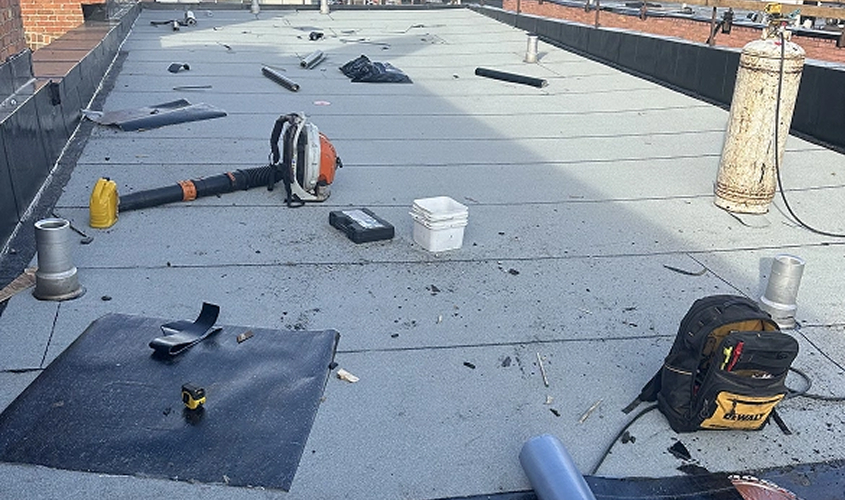
The Alberta climate presents one of the most demanding environments for commercial roofing systems in North America. From the bitter cold of January to the intense UV exposure of July, Edmonton’s weather patterns test the limits of even the most robust roofing solutions. For property owners across our city, from the industrial complexes of the northwest to the retail centres of the south, the question is no longer whether to invest in quality roofing, but how to ensure that investment delivers lasting protection. At J & D Independent Roofing, we have refined our approach to built-up roofing systems, creating a strategy that combines time-tested materials with modern installation techniques to provide commercial properties with unparalleled durability and performance.
The fundamental reality of commercial roofing in Edmonton is that your roof represents one of your most significant capital investments, and its performance directly impacts your operational continuity, your insurance costs, and your property value.
Image 1
Understanding The Western Canadian Built-Up Roofing Standard
Built-up roofing has served as the foundation of commercial waterproofing for over a century, yet its evolution continues to address the specific challenges of our region. Unlike single-ply systems that rely on a single membrane layer, built-up roofing creates a redundant waterproofing barrier through multiple plies of reinforcing materials embedded in bitumen. This layered approach delivers the thickness, durability, and redundancy that Edmonton’s extreme temperature fluctuations demand.
The Technical Excellence Behind Built-Up Roofing
The composition of a modern built-up roofing system involves the careful integration of several components working together:
- Reinforcing Felts: Fibreglass or polyester mats that provide structural strength and dimensional stability, typically installed in three to five layers for optimal performance.
- Bitumen Membranes: Hot-applied asphalt or coal tar pitch that creates the waterproofing seal between felts, with application temperatures carefully controlled to ensure proper adhesion and longevity.
- Surface Aggregates: Gravel or mineral surfacing that protects the bitumen from UV degradation and can contribute to the fire performance of the complete roof assembly where specified.
- Insulation Layers: Polyisocyanurate or extruded polystyrene boards that provide thermal efficiency, reducing energy costs while protecting the membrane from temperature-related stress.
The performance characteristics of built-up roofing systems make them particularly suited to Edmonton’s commercial sector. The insulation incorporated into the roofing assembly contributes to thermal performance, while the redundancy of multiple plies provides additional protection within the waterproofing system.
Regulatory Compliance And Canadian Standards
The installation of commercial roofing in Alberta operates within a comprehensive regulatory framework designed to protect building owners, occupants, and the public. J & D Independent Roofing maintains strict compliance with all applicable regulations, ensuring that your roofing investment meets or exceeds legal requirements.
The National Building Code – 2023 Alberta Edition establishes the applicable building-code requirements for roofing systems in Alberta, including relevant provisions for fire safety, structural performance, and thermal performance.
These requirements are applied alongside applicable provincial regulations and project-specific requirements. Our built-up roofing installations consistently meet these standards through careful material selection, precise installation techniques, and thorough quality assurance processes.
The Government of Canada’s Natural Resources Canada department provides guidance on energy-efficient roofing solutions that align with federal sustainability objectives, offering valuable resources for property owners considering their roofing options. This information helps guide decisions about insulation levels and reflective surfacing that can reduce operational costs while supporting environmental objectives.
Environmental Considerations In Modern Roofing
Sustainable roofing practices have become increasingly important for Edmonton businesses seeking to reduce their environmental footprint while managing operational expenses. Built-up roofing systems offer several environmental advantages that align with corporate sustainability goals:
- Extended service life reduces material consumption and landfill waste
- Reflective surfacing options reduce urban heat island effects
- Improved insulation reduces heating and cooling energy consumption
- Recyclable materials reduce environmental impact at end-of-life
The integration of vegetative roofing components with traditional built-up systems has emerged as an innovative approach for properties seeking enhanced environmental performance. These hybrid systems provide additional insulation, stormwater management benefits, and improved building aesthetics.
The Economic Case For Quality Built-Up Roofing
When evaluating commercial roofing investments, property owners often focus on initial costs while overlooking the long-term financial implications of their decisions. The economic analysis of built-up roofing reveals compelling advantages that extend well beyond the installation phase:
- Extended Service Life: Properly installed and maintained built-up roofing systems can provide decades of service, with actual service life depending on the system design, materials, installation quality, exposure, and maintenance.
- Reduced Maintenance Requirements: The durable surface of built-up roofing withstands foot traffic and equipment placement better than single-ply alternatives, reducing ongoing maintenance costs.
- Superior Insulation Performance: The integration of high-quality insulation within the roofing assembly provides consistent thermal performance, reducing heating and cooling expenses throughout the year.
- Insurance Premium Benefits: Many commercial insurers recognize the enhanced fire resistance and wind uplift performance of built-up roofing systems, offering reduced premiums for properties with these installations.
Protecting Your Investment Through Professional Installation
The performance of any roofing system depends heavily upon the quality of its installation. J & D Independent Roofing’s approach to built-up roofing involves several critical factors that ensure your investment delivers maximum value:
- Comprehensive Surface Preparation: Proper substrate preparation ensures optimal adhesion and prevents premature failure caused by moisture entrapment or inadequate bonding.
- Precise Material Application: Bitumen application temperatures and rates must be carefully controlled to achieve proper penetration and adhesion between plies.
- Attention to Detail: Flashing, parapet walls, and penetration points receive particular attention, as these areas represent common failure points in poorly installed systems.
- Quality Assurance Protocols: Multiple inspections throughout the installation process verify compliance with manufacturer specifications and industry best practices.
Edmonton’s Unique Roofing Challenges
Edmonton’s climate creates specific challenges that influence roofing system selection and performance. The dramatic temperature swings that characterize our seasons subject roofing materials to repeated expansion and contraction, testing the flexibility and adhesion of every component. The built-up roofing system’s redundant construction proves particularly resilient against these stresses, with its multiple plies distributing movement across the assembly rather than concentrating stress at single points.
Our city’s freeze-thaw cycles also present challenges for flashing systems and penetration seals. These critical areas must be detailed with precision to prevent moisture infiltration and subsequent damage to the underlying structure. J & D Independent Roofing’s experience with Edmonton’s climate ensures that every detail receives the attention required for long-term performance.
Winter Considerations For Commercial Roofing
Snow accumulation and potential ice formation create additional demands on Edmonton’s commercial roofing systems. The weight of significant snow loads requires appropriate structural design, while proper slope and drainage design help prevent moisture accumulation that could compromise the roofing assembly. Built-up roofing’s inherent strength and redundancy can provide durability under these conditions when the system is properly designed and installed.
Proper insulation, drainage, and other winter-weather considerations should be incorporated into the roofing system design to support long-term performance and help manage moisture accumulation.
Your Partner In Commercial Roofing Protection
The decision to invest in commercial-grade built-up roofing represents a commitment to protecting your property, your tenants, and your business operations. At J & D Independent Roofing, we combine decades of Edmonton-specific experience with a commitment to quality that ensures every installation delivers exceptional performance. Our approach to built-up roofing reflects our understanding of the unique demands facing commercial properties in our region.
Contact our Edmonton team today to schedule your comprehensive roofing assessment and discover how our trusted Western Canadian strategy for built-up roofing can protect your property for decades to come.