Choose Long-Term Building Protection with Torch-On Roofing That Fits Your Property
August 20, 2026
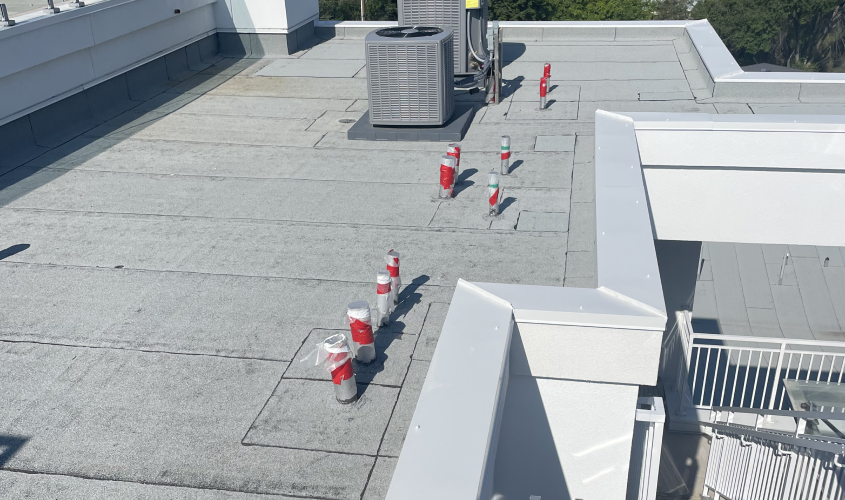
Choosing a roofing system is easy when you look at product brochures. Choosing the right one for your building takes a different perspective. We’ve seen buildings with premium roofing materials require major repairs far sooner than expected, while others continue performing well decades later. The difference often isn’t the product.
It’s choosing a system that fits the building from the start.
This article explains where torch on roofing performs best, what to consider before investing, and how to decide if it’s the right fit for your property. If you’re comparing options, explore our commercial roofing services to learn more about the systems we install.
Torch-On Roofing Has Earned Its Place on Commercial Buildings
Commercial roofing systems continue to evolve, yet torch-on roofing remains one of the most specified options for flat and low-slope buildings. That isn’t because it’s the newest system. It’s because it has consistently delivered where commercial roofs are expected to perform year after year.
One thing becomes clear after looking at enough commercial roofs: building owners rarely complain that their roof lasted too long. They complain when the system they chose wasn’t suited to how the building operates. Rooftop equipment, maintenance traffic, drainage patterns, and weather exposure all influence long-term performance long before the membrane reaches the end of its service life.
Torch-on roofing uses a modified bitumen membrane that is heat-fused during installation to create a continuous waterproof barrier. Unlike systems that depend on mechanically fastened seams, the membrane is bonded together to help resist water infiltration across the roof surface. When designed and installed correctly, it provides dependable protection against Canada’s demanding weather conditions while remaining practical to maintain and repair.
Its reputation wasn’t built through marketing. It was built one commercial roof at a time.
The Strength of Torch-On Roofing Material Goes Beyond the Membrane
It’s easy to assume that thicker roofing material automatically means better performance. Commercial roofs rarely work that way.
One of the biggest advantages of torch on roofing material isn’t simply its durability. It’s how the entire system works together. Most assemblies use a base sheet and a cap sheet that are heat-welded into a single waterproof system. That layered construction helps distribute stress across the roof while improving resistance to moisture, temperature movement, and everyday wear.
For commercial property owners, that translates into practical benefits:
- Strong resistance to water infiltration
- Reliable performance during freeze-thaw cycles
- Greater durability in high-traffic rooftop areas
- Flexibility as the building naturally expands and contracts
- Localized repairs without replacing the entire roofing system
Even so, we’ve seen excellent roofing materials underperform because water had nowhere to drain. We’ve also seen older torch-on roofs continue protecting buildings well beyond expectations because the drainage, flashing, and maintenance program were all working together.
The membrane matters. The complete roofing system matters even more.
The Right Roofing System Depends on Your Building, Not the Product
One of the most common mistakes property owners make is searching for the “best” roofing system. There usually isn’t one.
The best roofing system for a warehouse isn’t automatically the best choice for a retail plaza, healthcare facility, apartment building, or manufacturing plant. Every building places different demands on its roof, and those demands should guide the decision long before products are compared.
Before recommending a roofing system, experienced contractors typically evaluate factors such as:
- Building use and occupancy
- Roof design and drainage performance
- Existing roof condition
- Rooftop mechanical equipment
- Maintenance access and expected foot traffic
- Long-term ownership plans
- Maintenance strategy
- Capital budget priorities
The buildings that perform best over time usually have one thing in common. Their roofing system was selected to match the building’s operational needs, not simply because it was the lowest quote or the most familiar product.
Choosing torch-on roofing isn’t about buying a membrane. It’s about investing in a roofing system that will continue supporting your property long after the installation crews have left.
Torch-On Roofing Performs Best When the Building Demands Long-Term Reliability
No roofing system performs at its best in every situation. That’s another lesson commercial roofing teaches over time.
Torch-on roofing tends to excel on buildings where long-term waterproofing, durability, and repairability matter more than finding the lowest installation cost. Warehouses, retail centres, apartment buildings, schools, and industrial facilities often benefit from a roofing system that can withstand changing weather, routine rooftop maintenance, and years of daily exposure.
That doesn’t mean torch-on roofing is always the answer. A building with structural limitations, unique operational requirements, or an existing roofing assembly may be better suited to another system. The goal isn’t to force one product onto every project. It’s to match the roofing system to the building’s long-term needs.
The best roofing decisions usually aren’t made by asking, “What’s the best roofing material?” They’re made by asking, “What’s the best roofing system for this building?”
What Has the Biggest Impact on Torch-On Roofing Life Expectancy?
Many people assume a roof’s lifespan is determined the day it’s installed. In reality, that’s only the beginning.
While torch on roofing life expectancy depends on the quality of the materials and installation, the roofs that consistently last the longest usually share the same characteristics. They shed water effectively, receive regular inspections, and have small issues corrected before they become expensive ones.
Several factors influence how long a torch-on roofing system performs:
- Proper roof design and drainage
- Professional installation practices
- Quality of flashing and roof penetrations
- Routine inspections and preventive maintenance
- Amount of rooftop traffic
- Exposure to weather and UV radiation
- Prompt repairs after damage occurs
According to the National Research Council Canada, effective moisture management and regular maintenance play an important role in extending the service life of building envelope systems, including roofing. Those principles become even more important on low-slope commercial roofs where water can remain on the surface longer than intended.
One pattern we’ve seen repeatedly is that roofs rarely fail because they’re old. More often, they fail because small maintenance issues were allowed to grow into major ones.
Common Misconceptions About Torch-On Roofing
Torch-on roofing has been around for decades, yet a few misconceptions continue to influence buying decisions.
Some of the most common include:
- “Every torch-on roof performs the same.” Installation quality, drainage design, and detailing have just as much influence as the membrane itself.
- “A thicker membrane guarantees a longer-lasting roof.” Thickness helps, but it can’t compensate for poor workmanship or inadequate drainage.
- “Once installed, the roof doesn’t need maintenance.” Every commercial roofing system benefits from routine inspections and preventive maintenance.
- “Repairs mean the roof has failed.” In many cases, localized repairs are simply part of maximizing the service life of a well-performing roofing system.
Understanding these differences helps property owners make decisions based on long-term performance rather than assumptions.
Choosing the Right Roofing System Is a Long-Term Business Decision
Commercial roofs protect far more than the building itself. They protect inventory, equipment, employees, tenants, and daily operations. That’s why selecting a roofing system shouldn’t come down to comparing products alone.
Torch-on roofing continues to be a trusted solution because it has repeatedly demonstrated its ability to deliver dependable waterproofing, durability, and repairability on commercial buildings. Like any roofing system, however, its long-term performance depends on choosing the right application, installing it correctly, and maintaining it throughout its service life.
About J&D Independent Roofing
For over 30 years, J&D Independent Roofing has delivered dependable commercial roofing solutions across Western Canada. We help property owners protect their buildings with quality workmanship, proven roofing systems, and practical expertise built through decades of experience.
Contact Us
If you’re evaluating roofing options for an existing building or a new project, now is the time to take the next step. Contact J & D Independent Roofing to schedule a professional assessment and get clear, expert guidance on whether torch-on roofing is the right fit for your property and your long-term operational goals.