What Installation Standards Really Mean for Commercial Roof Durability in Edmonton
June 19, 2026
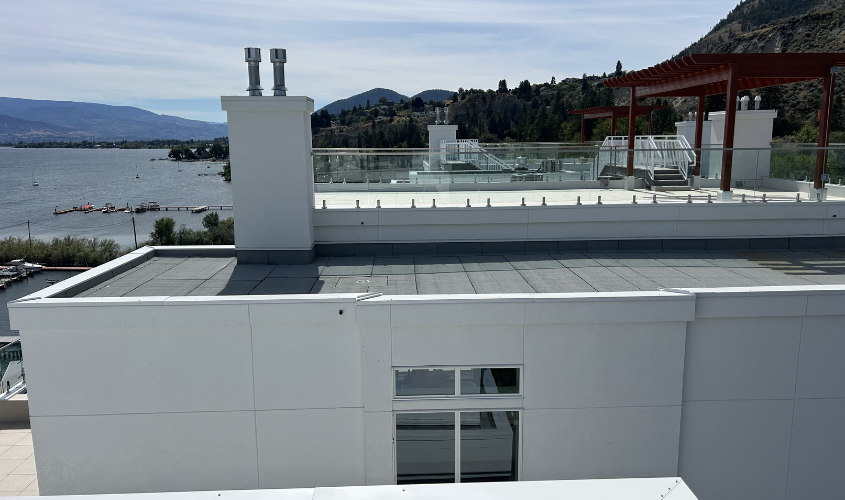
Across many commercial and industrial projects, one pattern becomes clear. Long-term durability is closely tied to how installation is carried out.
When established industry standards are followed with precision, roofing systems perform as intended. When they are not, even high-quality materials begin to show signs of failure much earlier.
In Edmonton, where freeze thaw cycles, snow, and seasonal moisture place constant stress on roofing systems, these differences become noticeable within a short time.
Durability is not just about the materials used. It is shaped by how consistently the installation process follows the standards designed to support long-term performance.
Quick Answer: Do Installation Standards Affect Roof Durability?
Yes. Installation standards are one of the main factors that determine how long a commercial roof will last.
In commercial roofing, these standards define how each part of the system should be installed, from membrane sealing to drainage design. When they are followed closely, the roof performs as intended. When they are not, even high-quality materials begin to fail much earlier.
In many cases, the difference between a 15-year roof and a 30-year system comes down to how consistently these standards are applied during installation.
Why Installation Standards Matter More Than Most Expect
Material quality is only one part of the system.
Durability is built during installation. This is the stage where plans are executed, and small details are either handled correctly or overlooked.
Even minor errors can lead to long-term issues. A small gap in sealing or improper slope may not show immediate problems, but over time, these weaknesses become points of failure.
That is why installation standards are not just technical requirements. They are the foundation of performance.
Core Installation Standards That Impact Durability
Membrane Installation and Sealing
The membrane is the primary barrier against water intrusion. Its performance depends on how well seams are sealed and bonded.
If seam integrity is inconsistent, even small gaps allow moisture to enter. Over time, this weakens the underlying layers and leads to leaks that are difficult to trace.
In many cases, early roof failure begins at the seams.
Flashing and Transition Detailing
Flashing protects the most exposed areas of a roof, including edges, penetrations, and transitions between surfaces.
These areas require precise detailing. If flashing is not properly fitted or sealed, water tends to collect and enter at these points first.
This is where many roofing systems begin to break down.
Drainage and Slope Accuracy
Water must be directed off the roof efficiently and consistently.
If the slope is not properly designed or executed, water can remain on the surface longer than intended. This creates ponding, which adds stress to the membrane and increases the likelihood of deterioration.
In Edmonton, where snow accumulation and freeze thaw cycles are common, drainage issues tend to show up quickly.
Compliance with Canadian Building Standards
Installation must follow established codes and guidelines.
The National Building Code of Canada outlines requirements for roofing design and installation to support structural safety and long-term performance.
Following these standards ensures consistency across the system. When they are not followed, performance becomes unpredictable.
The Role of Certified and Trained Roofing Crews
Standards only matter if they are followed in practice.
Certified and trained crews understand how to apply these standards correctly. They work within manufacturer specifications and established processes to ensure each part of the system is installed as intended.
This includes:
- Using the correct materials for each layer
- Following proper installation sequences
- Maintaining quality control at every stage
When shortcuts are taken, the impact is not always immediate. But over time, those shortcuts lead to reduced performance and increased repair needs.
What Happens When Installation Standards Are Ignored
When installation is not done properly, the effects show up early.
Common issues include:
- Leaks around seams and flashing
- Blistering or separation in the membrane
- Ponding water due to poor drainage
These problems rarely stay isolated. They often lead to insulation damage, structural concerns, and repeated repair costs.
Over time, a roof that should last 25 to 30 years may need replacement much sooner.
Why Installation Standards Matter More in Edmonton
Edmonton’s climate makes installation quality even more important.
Temperature changes cause materials to expand and contract. Snow and ice increase the load on the roof. Moisture from melting cycles tests every seam and joint.
Research from the National Research Council Canada highlights how building envelope performance, including roofing, is directly affected by environmental conditions.
In this environment, small installation flaws are exposed quickly. What might go unnoticed in milder climates becomes a visible issue within a few seasons.
How Proper Installation Supports Long-Term Roofing Strategy
Installation is not just a one-time step. It affects everything that comes after.
A well-installed roof:
- Requires fewer repairs
- Is easier to maintain
- Supports predictable lifecycle planning
This connects directly to a long-term approach. If you are thinking about durability over decades, it helps to understand how installation fits into a broader long-term commercial roofing strategy.
Frequently Asked Questions
Do installation standards affect roof lifespan?
Yes. Proper installation ensures the roof performs as designed. Poor installation can reduce lifespan significantly, even with high-quality materials.
What are commercial roofing installation standards?
They include building codes, manufacturer guidelines, and industry best practices that define how roofing systems should be installed for safety and durability.
How can you tell if a roof was installed properly?
Signs of proper installation include consistent sealing, effective drainage, and no early signs of damage such as ponding or separation.
Can poor installation void roofing warranties?
Yes. Many warranties require installation to follow manufacturer specifications. If those standards are not met, coverage may be affected.
Conclusion
Commercial roof durability is not defined by materials alone. It is determined by how precisely the system is installed.
When installation standards are followed consistently, each layer performs as part of a complete system. When they are not, weaknesses begin to develop at critical points, often long before visible damage appears.
In a climate like Edmonton, where temperature shifts and moisture cycles place constant stress on roofing systems, these weaknesses are exposed quickly.
Long-term performance is not a matter of chance. It is the result of controlled installation, where standards are applied with consistency from start to finish.
About J & D Independent Roofing
J & D Independent Roofing delivers commercial and industrial roofing solutions across Edmonton and Western Canada, with a focus on long-term performance.
With over 30 years of experience and more than 3,000 completed projects, the work is guided by proven systems, certified crews, and consistent installation standards.
From installation to maintenance, every system is built to perform reliably over time.
If you are planning a commercial roofing project, contact us to discuss your requirements.