5 Capital Planning Strategies for Commercial Roof Replacement Projects in Alberta
March 19, 2026
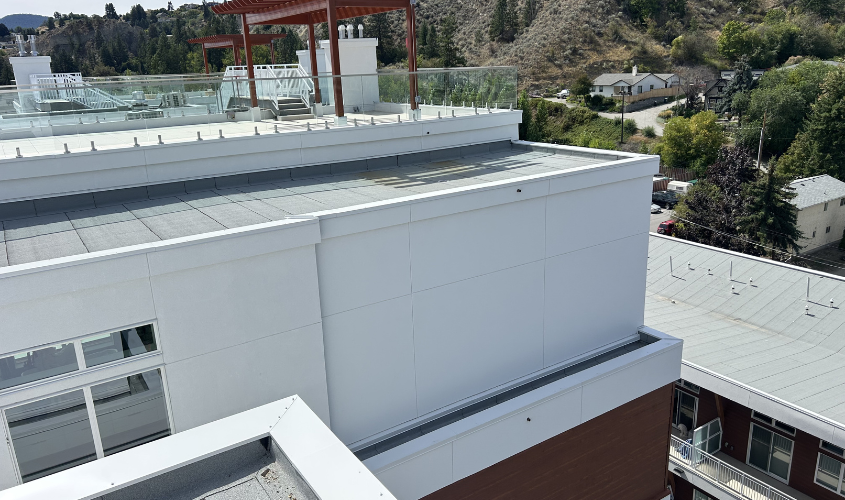
Commercial roof replacement is not a surprise expense. It is a planned capital event that protects your building and your balance sheet. If you own or manage property in Alberta, you already know how quickly conditions can change.
A neglected roof affects tenants, insurance costs, and long-term asset value. That is why many property managers look for comprehensive commercial roofing solutions in Edmonton before problems escalate. Strategic planning gives you control instead of reacting under pressure.
Before approving your next commercial roof replacement, ask yourself one question. Are you planning for performance, or simply budgeting for a repair?
Why Capital Planning Matters for Commercial Roof Replacement in Alberta
Alberta’s climate places real stress on commercial roofing systems. Freeze and thaw cycles, heavy snow, and UV exposure accelerate wear. Planning early protects your capital reserves.
Building owners also face compliance expectations. The Canada Labour Code provides for health and safety standards for workplaces under federal jurisdiction. A stable roofing system supports workplace safety and building performance.
If your roof fails unexpectedly, operations suffer. Tenants lose confidence. Insurance reviews become more complex. Capital planning prevents these risks before they disrupt your portfolio.
Strategy One: Conduct a Lifecycle Cost Analysis
A commercial roof is a long-term asset. You must evaluate its full lifecycle cost, not just replacement price. This includes maintenance history, repair frequency, and projected service life.
Have you reviewed the true cost of reactive repairs? Emergency work often costs more than scheduled replacement. Labour premiums, tenant disruption, and temporary protection increase expenses.
Lifecycle planning also requires climate awareness. Climate change is increasing the frequency and severity of extreme weather events. Alberta buildings must plan for long-term exposure to shifting weather patterns.
When you model lifecycle costs properly, you gain clarity. You can schedule replacement during optimal fiscal years. You reduce surprise expenditures and improve financial forecasting.
Strategy Two: Align Roof Replacement With Multi-Year Capital Forecasting
Most commercial portfolios operate on three to five-year capital plans. Your roof replacement should align with that timeline. This ensures stable budgeting and responsible reserve allocation.
Have you prioritized buildings by risk level? Facilities with high tenant density or critical operations should rank first. A warehouse roof may differ in urgency from an office complex.
Phasing projects across fiscal years also stabilizes cash flow. Instead of replacing several roofs at once, you can stagger work strategically. This approach protects liquidity and reduces financial strain.
You also protect asset value. Durability can be defined as the ability of a building and its parts to perform their required functions over a period of time. Planned roof replacement supports that long-term performance expectation.
Strategy Three: Phase Work to Reduce Operational Disruption
Commercial roof replacement does not need to halt operations. With proper staging, you can maintain productivity. Planning is the difference between disruption and continuity.
Retail centers benefit from zoned installation. Work can occur in sections while businesses remain open. Industrial facilities often schedule work around production cycles.
Temporary protection systems also matter. Experienced commercial roofing contractors use containment strategies to protect interiors. Material staging areas are organized to reduce tenant interference.
Ask yourself this. Are you planning your roof around operations, or forcing operations around your roof?
Strategy Four: Understand Warranty Structures and Risk Allocation
Not all commercial roofing warranties offer equal protection. You must review manufacturer coverage and workmanship terms carefully. Maintenance compliance often determines eligibility.
Have you documented inspections consistently? Missed documentation can void coverage. Proper record keeping protects your investment.
Insurance coordination also plays a role. Some policies require evidence of maintenance or scheduled replacement. Reviewing terms in advance prevents claim complications later.
A well-planned warranty strategy reduces long-term liability. It also supports asset value during refinancing or sale.
Strategy Five: Partner With Contractors Who Support Asset Planning
A commercial roofing contractor should provide more than installation. They should support your capital planning process. Detailed assessments and reporting tools matter.
Professional contractors provide roof condition scoring and replacement projections. These tools help you justify budget approvals internally. They also support portfolio-wide decision-making.
If you are evaluating commercial roofing installation options, it’s better to consult trusted roofing contractors for Edmonton businesses to understand available capabilities. Choose a contractor who understands lifecycle management, not just construction.
The right partnership supports stable budgeting. It strengthens long-term performance across your commercial assets.
Alberta Specific Considerations for Commercial Roof Replacement
Alberta’s environmental conditions require careful design. Snow accumulation affects drainage systems. Temperature swings stress membrane materials.
Wind uplift ratings also matter for open industrial areas. Selecting appropriate systems protects structural integrity. These factors must influence your capital plan.
Local experience improves forecasting accuracy. Contractors who understand Alberta conditions provide more reliable replacement timelines. This reduces uncertainty in your planning model.
About Us
J & D Independent Roofing has served Alberta’s commercial and industrial sectors for over thirty years. We have completed more than three thousand projects across Western Canada. Our team focuses on commercial roofing, industrial roofing, and flat roofing systems.
We provide full-service installation, repair, replacement, and preventative maintenance. Our crews are safety certified and fully insured. We understand the financial and operational demands of commercial properties.
If you are planning your next capital project, connect with us to discuss your building’s long-term roofing strategy. We approach every project with professionalism and detailed planning support.