5 Roofing Considerations for Schools and Institutional Buildings in Alberta
February 26, 2026
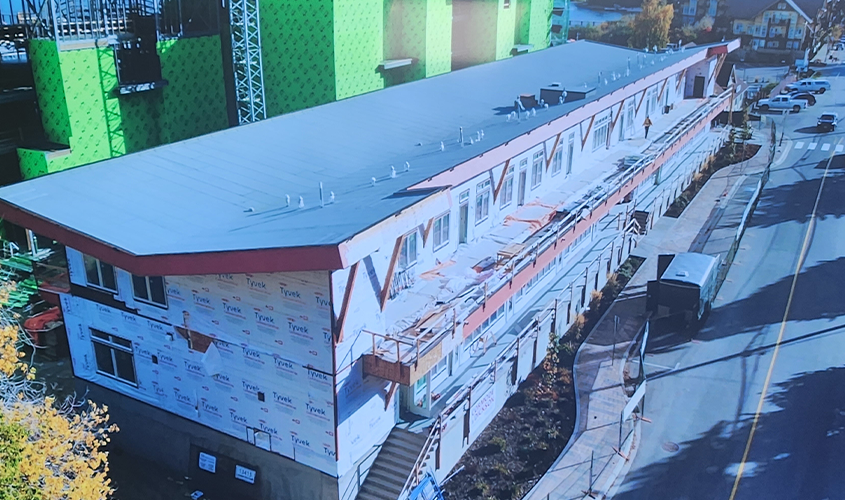
Roofing decisions for schools and institutional buildings require careful planning and accountability. These facilities operate year-round and support essential public services. A roofing failure can disrupt learning, safety, and daily operations.
Institutional roofs face constant use and limited downtime. Many buildings remain occupied during construction. This makes planning more complex than typical commercial properties. Facility managers must balance safety, scheduling, and long-term performance.
Working with experienced commercial roofing contractors becomes essential when managing these environments. Early planning supports better outcomes and reduces operational risk. In this blog, we will look into 5 roofing considerations for institutional buildings in Alberta.
Why Roofing Decisions Differ for Institutional Buildings
Schools and institutional buildings operate under unique conditions. These facilities serve students, staff, and the public every day. Roofing projects must account for safety, access control, and continuity.
Most institutions plan for long-term ownership. Roofing systems must support decades of use. Budget cycles and public funding add another layer of responsibility. Decisions must show value and durability.
Institutional roofing also requires transparency. Project scopes, timelines, and maintenance plans must remain clear. This reduces risk and supports responsible facility management.
1. Occupied Buildings and Safety Planning
Safety remains the highest priority in institutional roofing projects. Schools and public buildings often stay occupied during work. This requires strict access control and clear site boundaries.
Roofing crews must manage material movement carefully. Noise and debris control matter in learning environments. Proper staging protects students and staff throughout the project.
Employers must ensure the health and safety of every person at the workplace. This responsibility extends to contractors working on institutional sites. Proper planning supports compliance and protects all occupants.
2. Scheduling Around Academic and Operational Calendars
Institutional buildings offer limited windows for major roofing work. Schools often rely on summer breaks or holiday closures. Missing these windows increases disruption and cost.
Roofing schedules must align with academic calendars. Weather planning also plays a role in Alberta conditions. Delays can impact reopening dates and facility access.
Proactive scheduling reduces pressure during active school periods. It also improves coordination with administrators and maintenance teams. Strong planning supports predictable timelines.
3. Long-Term Roof Performance and Lifecycle Planning
Institutional facilities prioritize long-term performance. Short-term fixes rarely meet public sector expectations. Roofing systems must support decades of service with planned maintenance.
Lifecycle planning includes inspections, repairs, and eventual replacement. This approach reduces emergency repairs and budget surprises. Facility managers value predictable performance over reactive solutions.
Improving energy efficiency is one of the most cost-effective ways to reduce energy use and operating costs. Roof performance contributes directly to building efficiency and operational stability.
4. Budget Accountability and Public Funding Constraints
Schools and institutions operate within defined budgets. Roofing projects often require approvals and multi-year planning. Clear cost structures support accountability.
Unexpected repairs can disrupt funding plans. Transparent scopes and timelines help decision makers manage risk. Experienced contractors understand these constraints.
Public institutions must justify expenditures. Roofing solutions should demonstrate long-term value and reduced maintenance demands. Planning supports the responsible use of public funds.
5. Maintenance Planning After Installation
Maintenance planning starts before installation ends. Institutional roofs require documented inspection schedules and access planning. This supports long-term performance.
Facility teams rely on clear maintenance guidance. Poor documentation increases risk over time. Planned maintenance reduces unexpected issues.
Regular inspections help identify hazards before they cause injury or damage. This principle applies directly to institutional roofing systems.
Common Roofing Mistakes Institutions Should Avoid
Institutional roofing problems rarely start with sudden failures. They usually develop through planning gaps, timing issues, and unclear responsibilities. Understanding these mistakes helps schools and public facilities avoid unnecessary disruption and cost.
Delaying Planning Until Visible Damage Appears
Many institutions wait until leaks or interior damage become obvious. By that stage, roofing issues often extend beyond surface repairs. Moisture can spread across assemblies and increase repair scope.
Reactive repairs limit scheduling options. Work may occur during active school periods. This increases safety risks and operational disruption. Early planning allows repairs during low occupancy windows.
Proactive assessments support controlled budgeting and predictable timelines. Institutions that plan early maintain better operational stability.
Failing to Align Roofing Work With Academic Schedules
Schools operate on fixed calendars. Roofing work that ignores these schedules creates disruption. Noise, access restrictions, and safety barriers impact daily operations.
Poor scheduling often forces contractors to work in shorter windows. This increases pressure and cost. Weather delays compound the issue in Alberta conditions.
Institutions benefit from long-range scheduling tied to academic breaks. Proper coordination reduces disruption and improves project outcomes.
Unclear Project Scope and Responsibility Gaps
Vague roofing scopes create confusion during execution. Responsibilities may shift between facility teams and contractors. This slows decision-making and increases risk.
Clear scopes define work limits, access requirements, and timelines. They also support accountability during occupied projects. Institutions benefit from documented expectations.
When scopes remain unclear, change orders become more frequent. This strains budgets and delays completion.
Underestimating Maintenance and Access Planning
Some institutions treat maintenance as an afterthought. Roofing systems require planned inspections and safe access routes. Without planning, maintenance becomes reactive.
Poor access planning increases long-term risk. Maintenance crews may struggle to inspect roof areas safely. Documentation gaps also affect future planning.
Institutions that plan maintenance early extend roof lifespan. They also reduce emergency repair frequency.
Selecting Contractors Without Institutional Experience
Not all roofing contractors understand institutional environments. Schools require controlled access, communication protocols, and safety coordination. Inexperience increases operational risk.
Institutional projects demand coordination with administrators and facility teams. Contractors must manage occupied spaces responsibly. Experience matters in these environments.
Choosing contractors with proven institutional experience supports smoother execution and safer outcomes.
How Experienced Commercial Roofing Contractors Support Institutions
Experienced contractors understand occupied environments. They plan work around daily operations. This reduces disruption and supports safety.
They also provide clear documentation and scheduling coordination. Institutional clients benefit from structured communication and predictable outcomes.
Many facility managers rely on commercial roof repair services in Edmonton to support long-term building performance. Experience plays a critical role in successful outcomes.
Conclusion
Roofing decisions for schools and institutional buildings require careful planning. Safety, scheduling, performance, budgeting, and maintenance all play critical roles.
Institutions benefit from proactive approaches and experienced partners. Long-term thinking supports better outcomes and protects public assets.
Planning today reduces disruption tomorrow. Institutional roofing succeeds when decisions align with operational realities.
About Us
J & D Independent Roofing is an Edmonton-based roofing company serving commercial, industrial, and institutional clients across Alberta and Western Canada. Our team brings decades of experience managing complex roofing projects in active environments.
We work closely with facility managers and decision makers to support safety, scheduling control, and long-term roof performance. Many of the buildings we service remain operational during construction. That experience allows us to manage access and coordination effectively.
Contact us today to discuss your institutional roofing requirements and project timelines.