5 Safety Factors That Influence Industrial Roofing Project Success
February 18, 2026
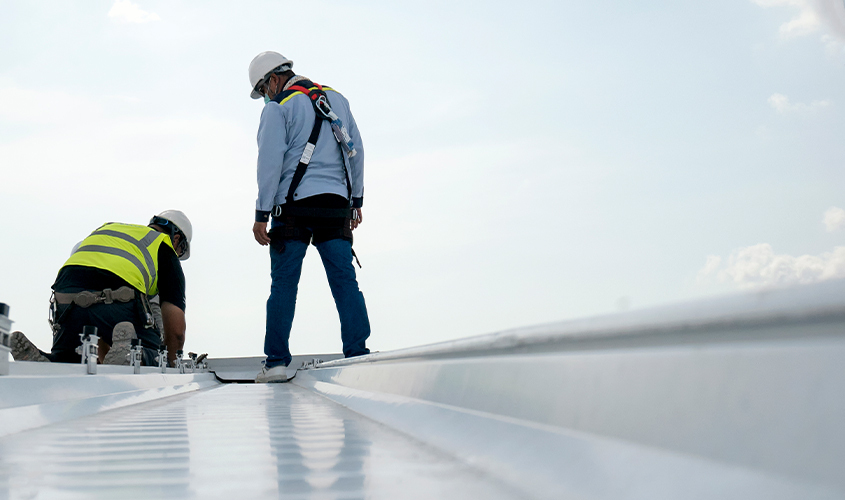
Industrial roofing projects in Edmonton operate in demanding environments where facilities often remain active during construction. Equipment moves constantly, and schedules remain tight. Safety planning plays a direct role in whether a project finishes smoothly or faces delays and added risk.
For industrial facilities, safety extends beyond worker protection. It influences workflow, coordination, and daily decision-making throughout the project. Roofing teams that address safety early support better control over timelines, budgets, and operational continuity.
Many facility managers partner with trusted industrial roofing contractors to ensure safety planning supports efficient and predictable project execution. This approach helps reduce disruption while maintaining consistent progress.
This blog outlines five safety factors that influence industrial roofing project success. Each factor focuses on practical execution and planning rather than regulatory requirements alone.
Safety as an Operational Driver in Industrial Roofing
Industrial roofing involves more than surface installation. Crews work at height while heavy materials move across roof decks.
Facilities often continue operating beneath active work zones, which increases coordination demands. Safety controls directly influence how efficiently crews move and how consistently tasks are completed.
When safety planning supports daily operations, work progresses without unnecessary stoppages.
Crews maintain focus, and facility managers retain confidence throughout the project. This connection between safety planning and performance defines successful industrial roofing projects.
1. Controlled Site Access and Defined Work Zones
Industrial facilities contain multiple access points and operational areas. Roofing work must remain clearly separated from daily activity. Defined work zones reduce confusion and prevent unplanned interactions.
Clear access planning allows crews to move materials without disruption. Restricted zones protect staff inside the building. This separation reduces delays caused by site conflicts.
Access planning also supports emergency response readiness. Everyone understands where work occurs and how movement is managed. These controls keep projects steady and predictable.
2. Experienced Crews Trained for Industrial Environments
Industrial roofing differs from standard construction. Crews must understand operating facilities, machinery exposure, and coordination requirements. Experience reduces hesitation and error during complex tasks.
Trained crews anticipate hazards before they appear. They adjust sequencing to match site conditions. This awareness supports safe progress without constant interruption.
Project success depends on how well crews adapt to industrial realities. Experience improves decision-making and protects schedules.
3. Equipment Selection and Material Handling Planning
Material handling creates risk when planning is rushed. Industrial roofing materials are heavy and bulky. Improper equipment slows progress and increases exposure.
Correct lifting equipment supports safe and efficient movement. Planned staging areas prevent congestion. Material flow stays organized and controlled.
This planning protects roofing assemblies from damage. It also protects workers from strain and injury. Efficient handling improves installation quality and project pacing.
4. Weather Readiness and Exposure Control
Alberta weather influences industrial roofing schedules. Wind, precipitation, and temperature shifts affect safety and surface conditions. Successful projects plan around these realities.
Weather readiness includes monitoring forecasts and adjusting tasks accordingly. Crews protect exposed roof sections during unexpected changes. These steps prevent rework and safety incidents.
Weather planning also supports material performance. Proper timing ensures systems are installed under suitable conditions. This foresight improves long-term results.
5. Clear Communication and On-Site Coordination
Communication keeps industrial roofing projects aligned. Daily briefings clarify tasks and hazards. Defined responsibilities reduce confusion during complex operations.
Clear communication supports fast response when conditions change. Teams adjust quickly without stopping progress. Facility managers remain informed throughout the process.
This coordination protects safety while maintaining momentum. Projects stay controlled and predictable.
How Safety Planning Supports Project Success
Safety planning connects directly to project performance in industrial roofing environments. When safety measures are integrated into planning, crews work with greater efficiency and fewer interruptions. Facility operations remain stable, and project timelines stay predictable.
Well-planned safety controls improve execution in several measurable ways.
- Controlled site access reduces unplanned work stoppages and limits interference with facility operations.
- Experienced crews identify hazards early, which lowers error rates and reduces rework.
- Proper equipment selection supports a consistent installation pace and protects roofing materials.
- Weather readiness minimizes exposure-related delays and prevents damage to open roof sections.
- Clear communication improves coordination and supports faster response to changing site conditions.
Together, these safety factors protect both timelines and budgets. Projects with defined safety workflows experience fewer schedule adjustments and less cost variability.
Facility managers also benefit from reduced disruption to daily operations, which supports productivity during roofing work.
In industrial environments, safety planning functions as an operational control system rather than a compliance requirement.
When safety supports movement, sequencing, and decision making, industrial roofing projects achieve stronger outcomes and long-term performance.
Safety Guidance in Alberta Industrial Work
Provincial safety guidance reinforces the importance of planning and coordination. Alberta regulations emphasize hazard awareness and equipment control in industrial environments.
Employers must ensure that work is planned and conducted in a manner that protects the health and safety of workers.
This principle aligns with industrial roofing best practices. Planning safety early supports both compliance and project success.
Equipment Safety and Work Planning
Equipment safety plays a major role in industrial roofing execution. Proper selection and inspection prevent incidents that disrupt schedules.
Equipment must be used in accordance with the manufacturer’s instructions and maintained in a safe condition.
This guidance reinforces the need for proper equipment planning and maintenance on industrial roofing sites.
Weather Exposure and Job Site Conditions
Environmental conditions influence safety and productivity. Weather planning reduces risk during the roof exposure and installation phases.
Weather conditions can affect worker safety and must be considered when planning work activities. Industrial roofing projects benefit when weather readiness supports scheduling decisions.
Conclusion
Safety influences every stage of industrial roofing. It shapes how work begins, progresses, and finishes. Projects succeed when safety planning supports execution rather than reacting to issues.
Industrial roofing success depends on experienced crews, clear communication, proper equipment, weather readiness, and controlled site access. These factors protect people while protecting outcomes.
About Us
J & D Independent Roofing is a commercial and industrial roofing contractor serving Edmonton and Western Canada. The company brings more than three decades of experience to large-scale and complex roofing projects.
Each project is approached with planning, coordination, and safety at the forefront. Crews work efficiently within active industrial environments while maintaining control and consistency.
Clients seeking reliable roofing support can contact us to discuss industrial roofing needs and project planning.